• Why Paystand

    Why Paystand

    Paystand is changing B2B payments with a modern infrastructure built on SaaS and blockchain that enables faster, cheaper, more secure business transactions.

    About Us
    • Our Vision
    • Pricing
    • Partners
    OUR TECHNOLOGY
    • Paystand Bank Network
    • Smart Lockbox
    • Collections Automation
    • eCheck and ACH
    • Assurety
    • Tokenization and Fund-on-File
    • Payment Portal
    • Data Insights and Intelligence
    • Enterprise Match
    Experience Paystand
    Experience Paystand

    Test drive the Paystand platform to see how easy B2B payments can be.

    See Paystand In Action

  • Solutions

    Solutions

    Automate accounts receivable, power your software marketplace, or connect to powerful APIs to customize your payment infrastructure.

    BY PRODUCT
    • B2B Payments
    • Billing and Receivables
    • APIs
    • Enterprise Blockchain
    • Paystand Spend Card
    • Spend Management: Teampay
    BY TECHNOLOGY
    • Accounts Receivable
    BY INDUSTRY
    • Construction
    • Food and Beverage
    • Insurance
    • Manufacturing
    • Medical Suppliers
    • Renewables and Environment
  • Integrations

    Integrations

    Paystand integrates with major ERP and order management systems to provide robust payment functionality directly within your System of Record.

    NETSUITE

    Learn More

    SAGE INTACCT

    Learn More

    DYNAMICS 365

    Learn More

    ACUMATICA

    Learn More

    MAGENTO

    Learn More

    WOOCOMMERCE

    Learn More

    XERO

    Learn More

    NetSuite Best Practices Kit
    NetSuite Best Practices Kit

    Learn the key elements for automating payments within NetSuite to streamline your payments process.

    Download

  • Resources

    Learning Paths

    Most AR professionals are continually searching for new ways to reduce costs, improve cash flow and optimizing their processes. Paystand has curated content specifically designed to help AR professionals in their quest.

    IMPROVING CASH FLOW

    Learn how to reduce your DSO and improve operating cash flow.

    Start my journey

    OPTIMIZING AR

    Learn how to make your AR team and its processes more efficient and much more effective.

    Start my journey

    REDUCING COSTS

    Learn how to reduce costs by creating scalable and efficient processes that lower overall transaction costs.

    Start my journey


    CONTENT BY TYPE
    • Blog
    • Case Studies
    • Datasheets
    • eGuides
    • Webinars
    • Glossary
  • Company

    Company

    Paystand is on a mission to reboot commercial finance and create a more open financial system, starting with B2B payments.

    ABOUT

    We're creating a more open financial system. Learn more about the Paystand mission.

    Learn About Our Mission

    CAREERS

    Join our fast-growing team of disruptors and visionaries.

    Grow With Paystand

    PRESS

    Read about Paystand business updates and technology announcements.

    Read About Paystand

    CONTACT

    Talk to the Paystand team today.
    sales@paystand.com | (800) 708-6413

    Contact Us

    Our Offices
    HQ | Scotts Valley

    scotts-valley-navy1800 Green Hills Road
    Suite 200
    Scotts Valley, CA 95066

    Guadalajara

    guadalajara-navyAv Adolfo López Mateos Nte 95
    Italia Providencia
    44648 Guadalajara, Jalisco
    México

Get Started
  • Login
  • Our Technology
    • Paystand Bank Network
    • Collections Automation
    • eCheck and ACH
    • Credit and Debit Cards
    • Assurety
    • Tokenization and Fund on File
    • Data Insights and Intelligence
  • Solutions
    • Accounts Receivable
    • Accounts Payable
    • B2B Payments
    • Billing and Receivables
    • Software Platforms
    • APIs
    • Enterprise Blockchain
    • Paystand Spend Card
  • Integrations
    • NetSuite
    • Sage Intacct
    • Dynamics 365
    • Acumatica
    • Xero
    • Magento
    • WooCommerce
  • Resources
    • Blog
    • Case Studies
    • Datasheets
    • eBooks
    • Webinars
    • Support
  • Company
    • About
    • Partners
    • Careers
    • Press
    • Contact
  • Login
  • Get Started
Zazil Martinez 12/13/2023
3 Minutes

Everything You Need to Know About Cash Flow Forecasting

Everything You Need to Know About Cash Flow Forecasting

Maintaining a healthy cash flow is crucial to survival and growth in business management. Imagine peering into your company's financial crystal ball, foreseeing cash flow, and heading toward prosperity. The magic lies in the art of cash flow forecasting.


What is cash flow forecasting?


Cash flow forecasting is gathering an estimate of a company’s future financial position. Your cash flow forecast is based on anticipated payables and receivables. You need to estimate your future sales and expenses to forecast your cash flow. This will help you understand how your business will do financially in the coming months.


What Are The Benefits of Cash Flow Forecast?


A cash flow forecast is crucial for any business. It tells you if you’ll have the needed revenue to run or expand the business. It also allows you to see if more cash is going out of the company than in and identify the problem areas so you can reverse that cash drain.

How to forecast your cash flow


1. Identify your forecasting objectives

First, determine the business objectives the forecast will support. This will help you glean actionable insights from your cash flow forecast. We’ve rounded up the most commonly used cash forecasts for the following five goals:

  • Growth planning. It ensures your business has enough working capital to fund activities and projects. This will help grow your company’s revenue.
  • Liquidity risk management. It fosters visibility for potential issues that may arise in the future. For example, more cash going out of your business than in. This gives you adequate time to address them.
  • Interest and debt reduction. Debt can be an unavoidable fact of running a business. If your goal is to reduce interest and debt, your cash flow forecast will help ensure your business has enough money to make loan or debt payments.
  • Short-term liquidity planning. Make sure your business can meet its short-term obligations by managing the amount of cash available daily.
  • Covenant and key date visibility. This best forecasts your cash levels for critical reporting periods. These include year-end, quarter-end, and month-end.

2. Choose your forecasting period

You have now identified which business objective your cash flow forecast will support. The next step is to determine how far into the future your forecast will look. Choosing the proper reporting period can impact your forecast's accuracy and reliability. As a general rule, the further into the future your forecast looks, the less detailed it’s likely to be. Here are the four most common forecasting periods and the objectives they’re most suitable for:

  • Short-term forecasts. These are best suited for short-term liquidity planning. Day-to-day granularity is crucial to your business’s financial responsibilities. They usually look two to four weeks into the future and include a daily breakdown of payments and receipts.
  • Medium-term forecasts. These typically look two to six months into the future. They are extremely helpful for interest and debt reduction, key date visibility, and managing liquidity risk. Most companies utilizing a medium-term projection use the rolling 13-week cash flow forecast.
  • Long-term forecasts. Looking six to twelve months ahead, long-term forecasts are often the starting point for annual budgeting. A long-term forecast is essential for assessing how much cash is needed for long-term growth objectives and projects. It's also necessary to know the required cash.
  • Mixed-term forecasts. These are most commonly used for liquidity risk management. They utilize a mix of the three periods mentioned above. For example, a mixed-term forecast might provide weekly forecasts for the first three months. It might also offer monthly forecasts for the following six months.

3. Decide on a forecasting method

Your chosen method depends on the forecasting window and the data available to build your forecasting model. There are two main cash flow forecasting methods: direct and indirect. Direct forecasting uses actual flow data and is best utilized for short-term forecasts. Indirect forecasting is better suited for long-term forecasting. It relies on projected balance sheets and income statements.


4. Gather the data you need for your cash flow forecast


The final step before implementing your forecast is gathering the required data. You can find most, if not all, of the data needed in your AR and AP ledgers. You can see it directly in your business's ERP or other accounting software. You’ll want to gather the following information from those systems:

  • Opening cash balance for the forecasting period
  • Cash inflows for the forecasting period
  • Cash outflows for the forecasting period

With this data and the proper forecasting method, you can accurately forecast your business’s cash flow. You can also identify problem areas and plan for the future.

Not sure where to start or which forecasting method suits your business? We’ve gathered a few of our favorite templates to help you get started:


Simple Cash Flow Forecast Template
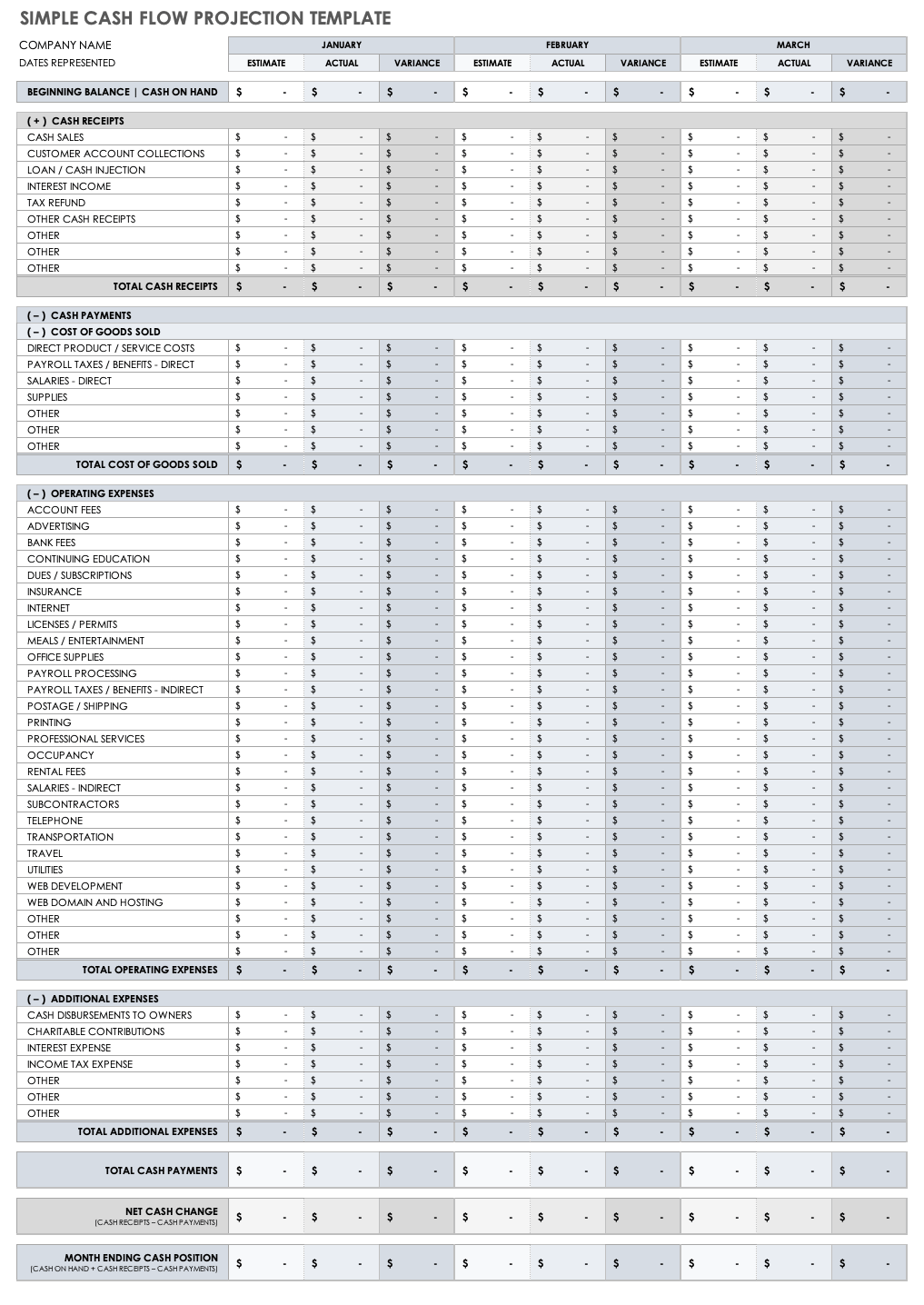
Simple Cash Flow Forecast Template


Small Business Cash Flow Forecast Template
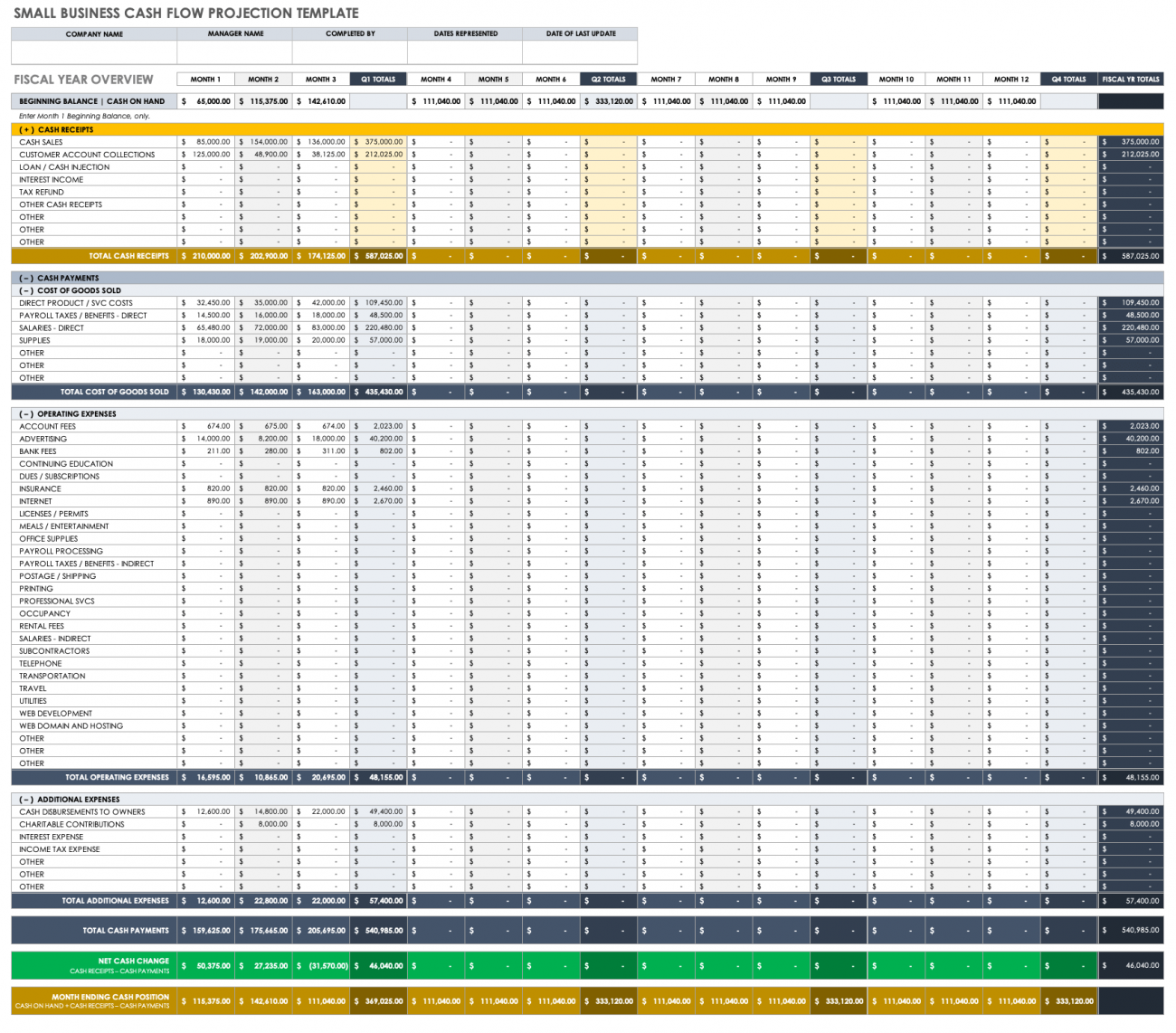
Small Business Cash Flow Forecast Template


12-Month Cash Flow Forecast Template
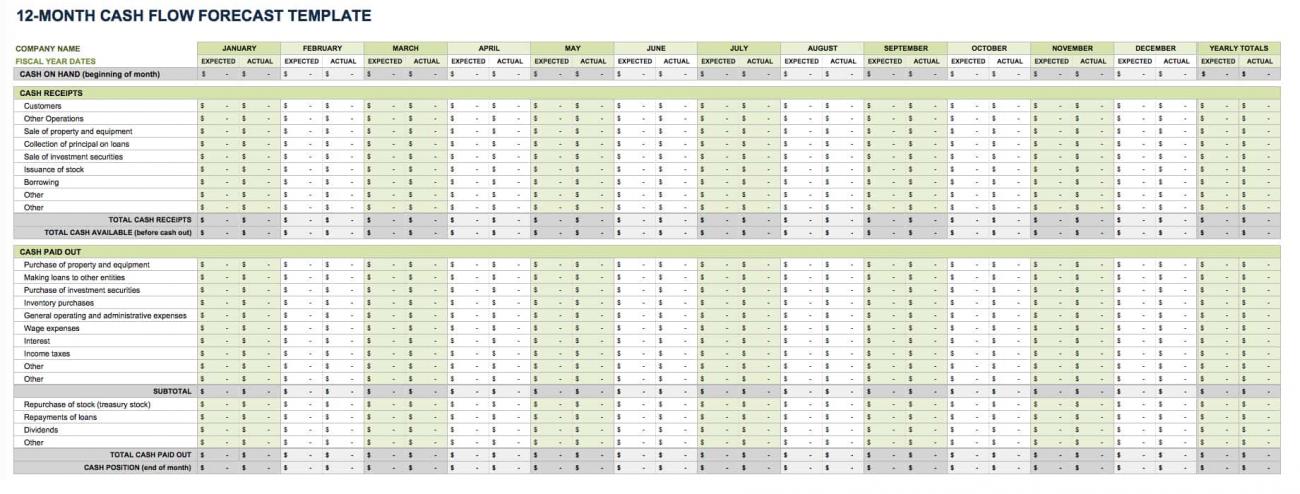
12-Month Cash Flow Forecast Template


Daily Cash Flow Forecast Template
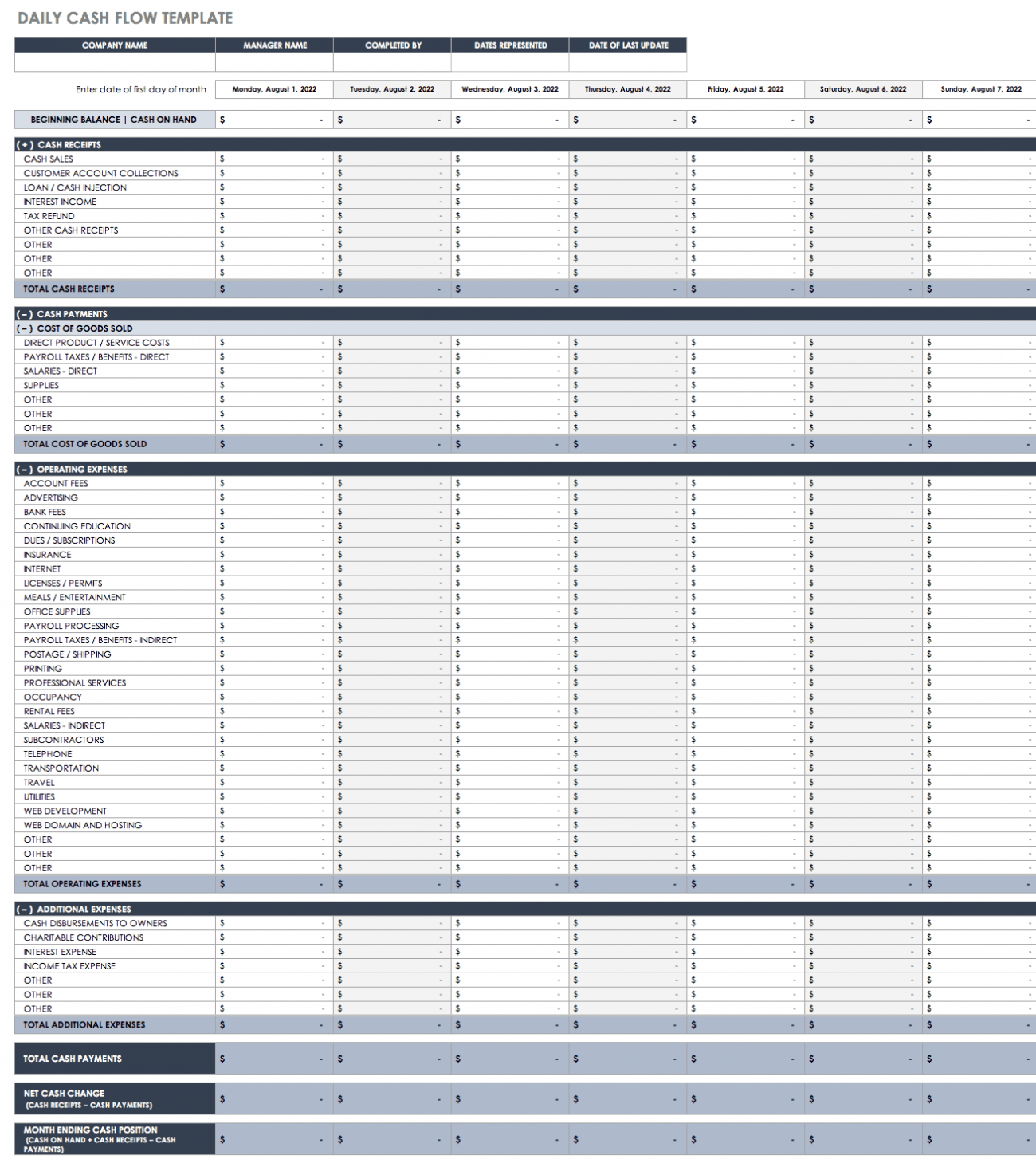
Daily Cash Flow Forecast Template


Quarterly Cash Flow Forecast Template
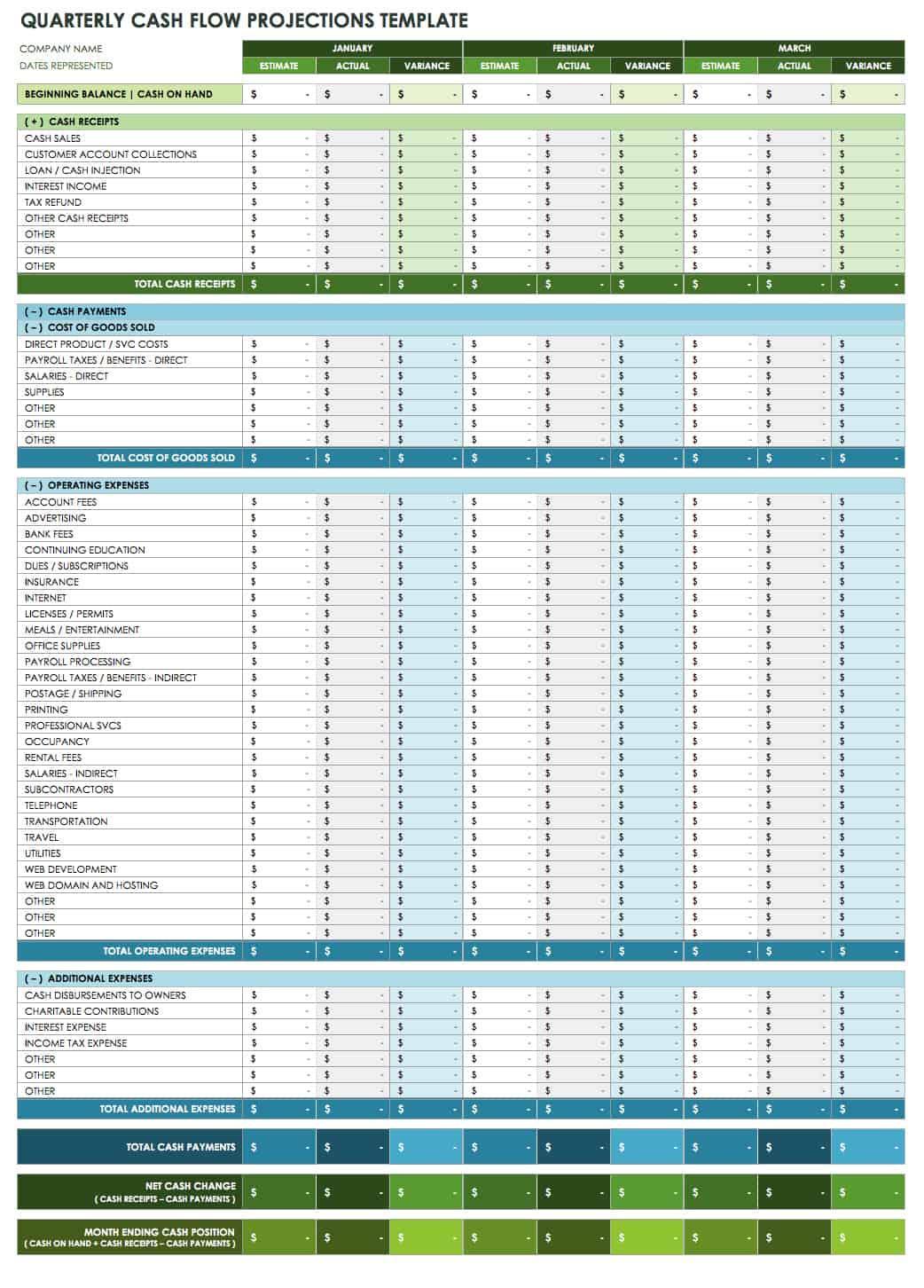
Quarterly Cash Flow Forecast Template


Three-Year Cash Flow Forecast Template
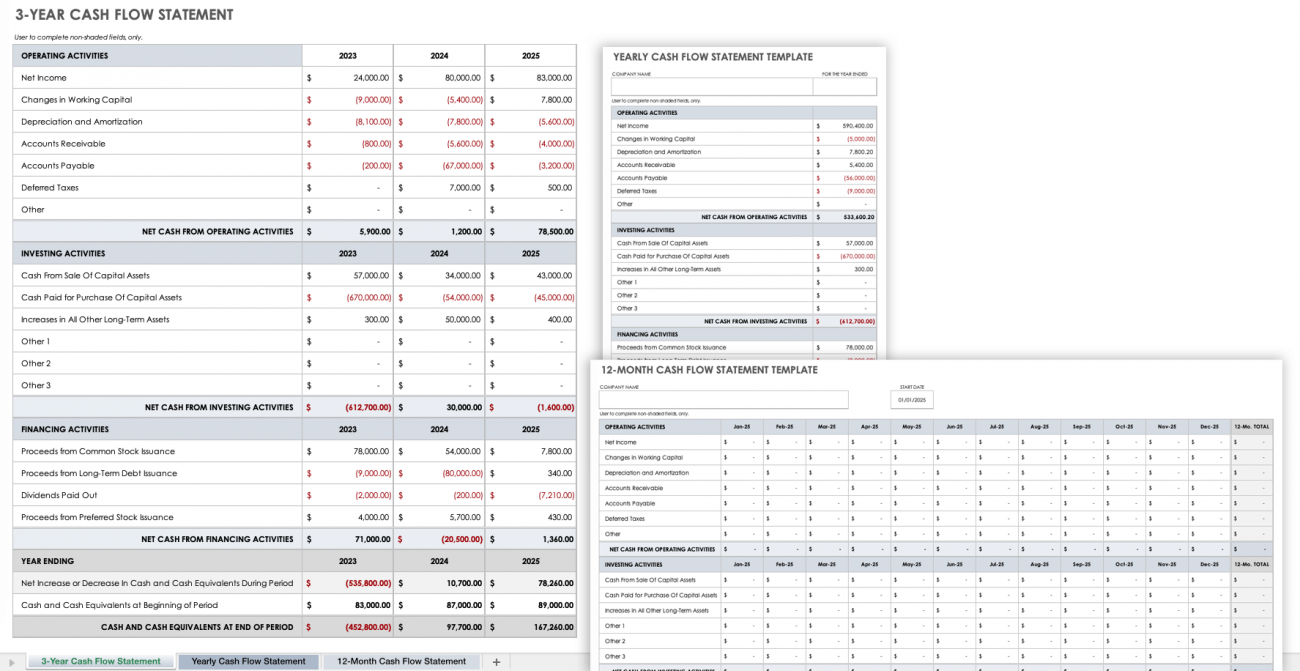
Three-Year Cash Flow Forecast Template


Ready to learn more? Paystand’s Improving Cash Flow learning path has a wealth of resources that will help you reduce your DSO and improve operating cash flow.


Tag:

Share:

  • Follow us on Facebook
  • Follow us on Twitter
  • Follow us on Linkedin
  • Follow us on Pinterest

Empowering Businesses: Databasics and Paystand Join Forces for Financial Efficiency

Previous Post

Unlocking Growth: The Power of Early Payment Discounts

Next Post
  • There are no suggestions because the search field is empty.

Category

  • B2B Payments (56)
  • AR Optimization (44)
  • Billing & Invoicing (36)
  • Payment Processing (36)
  • AR Automation (34)

Popular Posts

Zazil Martinez 04/09/2024 NetSuite
Streamline Your QuickBooks to NetSuite Migration Process
Zazil Martinez 11/27/2023 Credit Cards
Surcharging: A State-by-State Guide
Zazil Martinez 03/18/2024 Billing & Invoicing, Payment Processing, AR Optimization
The Guide to Payment Terms and How to Optimize Them
Zazil Martinez 02/06/2024 Smart Lockbox
What is a Bank Lockbox Service and How is it Used for Payments?

Paystand is on a mission to create a more open financial system, starting with B2B payments. Using blockchain and cloud technology, we pioneered Payments-as-a-Service to digitize and automate your entire cash lifecycle. Our software makes it possible to digitize receivables, automate processing, reduce time-to-cash, eliminate transaction fees, and enable new revenue.

  • Solutions
    • B2B Payment Automation
    • Software Platforms
    • APIs
    • Enterprise Blockchain
  • By Department
    • Accounts Receivable
  • Resources
    • Blog
    • Case Studies
    • Datasheets
    • eBooks
    • Webinars
    • Glossary
  • Legal
    • Privacy Policy
    • Terms of Service
    • Spend Card Terms of Service
  • Integrations
    • NetSuite
    • Sage Intacct
    • Dynamics 365
    • Acumatica
    • Xero
    • Magento
  • Technology
    • Paystand Bank Network
    • Smart Lockbox
    • eCheck and ACH
  • Company
    • About
    • Careers
    • Press
    • Pricing
    • Partners
    • Contact
    • Sitemap
  • Support
    • Knowledge Base
    • Developer Hub

© Paystand, Inc. 2024. All Rights Reserved.