 1800 Green Hills Road
 Av Adolfo López Mateos Nte 95
Evaluating Your Year and Finishing the Year Strong
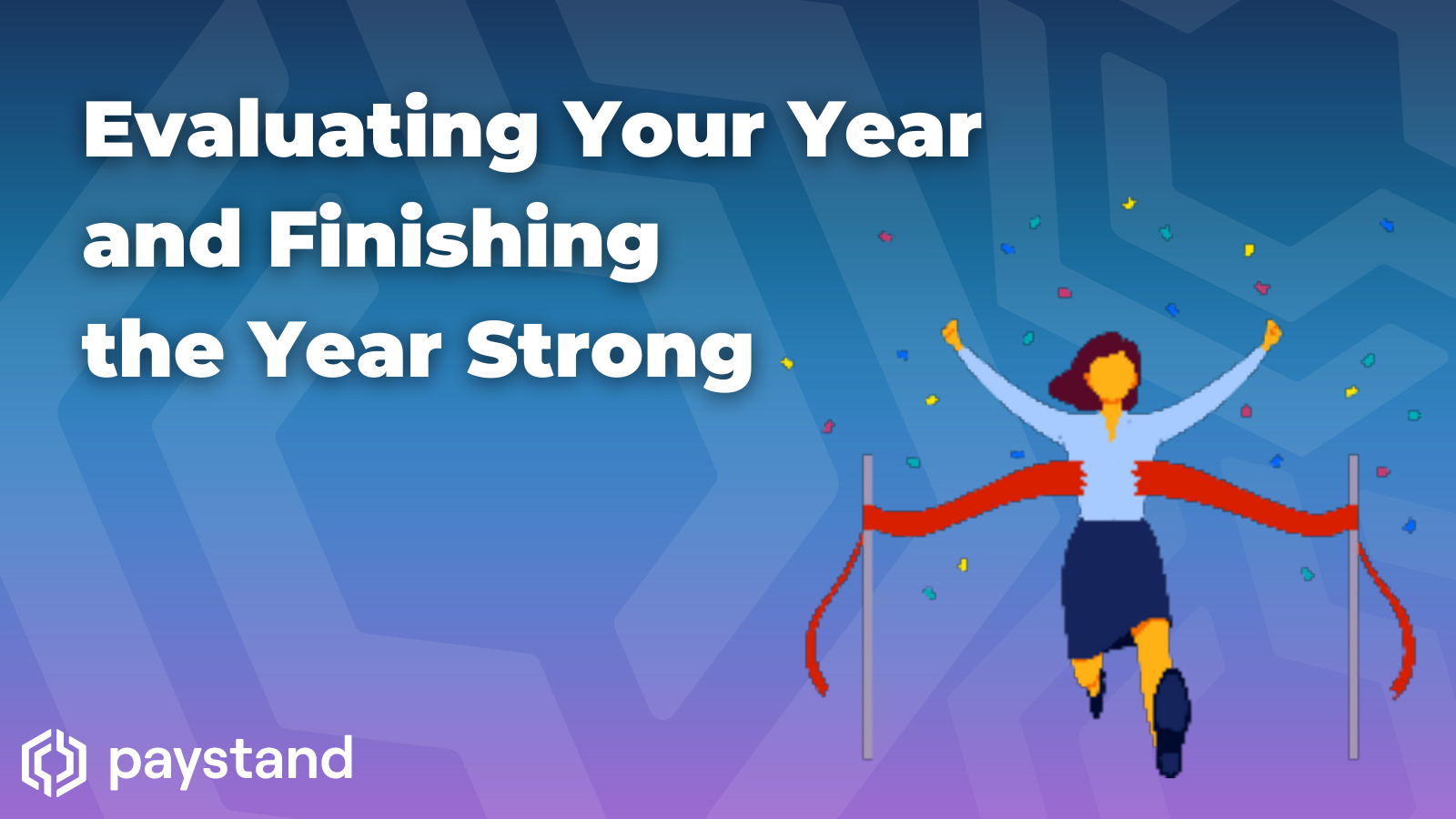
Think about everything companies must do to begin the year-end close: expediting collections, making payments, setting objectives for the coming year, closing accounts, and paying taxes. But why is it so important? Believe it or not, this intricate yet necessary process may give you a glimpse into your business's future.
Evaluating your company’s financial year is like reading a map that allows you to draw a route to design and develop strategies to achieve organizational objectives and prepare the information for the year to come.
Evaluation Through Accounting Closing
Accounting closing is an excellent practice since it is a fundamental process through which a company obtains the year's results. It takes you on a detailed journey of your company’s last 12 months, telling you exactly what you did and what you must do to improve.
This process is executed to obtain the result generated between the income statement accounts, but we must go further and, through it, perform various important analyses for the company's management.
Doing so accurately and efficiently will allow us to know precisely the financial conditions the company will face in the coming year.
To achieve a successful accounting closing process, you must:
- Close the income statement accounts to determine if there is a loss or profit for the year.
- Perform the closing accounting entries.
- Review the income, expenses, cost of sales, cost of production, assets, and liabilities accounts.
- Prepare adjustments and reconciliations in the income statement.
- Reclassify outstanding debts and credits for the next accounting period.
How To Prepare For A Good Accounting Closing
Most financial departments take 25 days to complete the closing, so they must consider their monthly closing and quarterly analysis. In short, there may be many pending tasks, and no mistakes can be made.
Therefore, to do the accounting closing with total security and without errors, the best solution is to be aware of each revision made and follow a series of steps to avoid overlooking any detail.
Before starting the year-end close, you need to balance the books, check that the data matches what is reflected in your business's books, and make the necessary adjustments to go ahead with the accounting closing entry.
1. Have All Your Invoices At Hand
Having control over all the invoices sent during the year is essential to detect possible errors or missing invoices and to be able, in that case, to know the status of those invoices.
To avoid tracking lost invoices at the year-end close thorough monthly control will avoid unnecessary problems. This can be guaranteed through scheduled reminders and automated communications to ensure receipt of invoices.
Reconciling your invoices allows you to compare your company's information with the tax authority's data; this way, you can quickly and safely identify invalid or apocryphal digital receipts.
2. Analyze All Accounting Information To Detect Inconsistencies
A thorough analysis allows you to reconcile and adjust assets for depreciation and amortization before writing off your income statement. Amortization is another element that can help you reduce tax payments and asset impairments.
Likewise, bank reconciliation is necessary to obtain the movements of all your downloaded accounts in the same interface and in an orderly manner.
You must cross-reference the information on the accounting and fiscal items. The reconciliation of both accounts will help you to identify the differences. Review both results and analyze the deductions, annual adjustments for inflation, and depreciation of your assets, among others.
3. Reclassify Debts And Receivables
Remember to indicate the debts belonging to the current accounting year and all the requested credits still pending to be collected. Reclassifying debts and receivables means that at the closing of the company's accounts, debts and receivables payable and receivable during the next accounting year are shown as short-term debts.
Reclassifying Debts
At first glance, we can see any outstanding obligations the company has to face for less than 12 months. After changing the accounts in debt with financial entities, you can use the loan amortization tables offered by said entities and consult the installments of the payments to know which part corresponds to the amortization of the debt and which part corresponds to the interests.
Reclassifying Loans
The same applies to receivables: all receivables that are pending collection for the next 12 months should be indicated as short-term receivables (regardless of whether the collection is total or partial).
Financial Benefits Of A Strong Accounting Closing
The positive business impact of a strong accounting closing reflects in financial terms. You, in the finance department, have essential information that will help your business make vital decisions, such as:
- Dividends distribution
- Allocation of voluntary reserves
- Potential capital increases charged to profits
- Provisions of the legal reserve
- Allocation of special reserves
This information serves to justify investment projects and their financing to the shareholders. This is key if we want to carry out a capital increase involving new contributions.
Tips for a Smooth Year-End Accounting Closing
It takes a lot of time to close the accounting period, and any error may go unnoticed. To avoid it, these are some practices that will help you to do it correctly:
- Monitor monthly: be up to date with monthly closings. If you analyze the information month by month, you’ll only have to balance some of the data for 12 months.
- Periodicity: when analyzing month-to-month data, always choose the exact date for accurate comparisons.
- Analyze the data: see what works in the company's financial management and what could be improved from the results. This will favor strategic decision-making and boost all the necessary changes to have a competitive advantage over other companies in the sector.
- Schedule: complete all accounting and tax closings by the appropriate calendar dates to avoid penalties for failure to file or late filing.
- Bank liabilities: check that the credits granted are correctly recorded.
- Automate the process: the biggest problem when closing accounts is the length of the process since it’s necessary to check that all balances are correct and updated. Therefore, having automated tools helps streamline the process at different stages.
Control Is The Key
To avoid the accounting closing nightmare, the best thing to do is to keep a strict order throughout the year. To achieve this, the best option is to automate accounting through an ERP system to manage the company's commercial and accounting processes at the same time. This way, it will be easier to organize the information, analyze it, access it, and even report it to auditors and the IRS.
Assure a good and strong year-end closing with the best ally for your AR needs. Paystand integrates with major ERP and order management systems to provide robust payment functionality directly within your system of record.
At the end of the day, month and year, Paystand's ready-made payment tools will help your business save valuable time and money. It eliminates tedious manual processes while reducing costs by 50% or more by moving away from manual workflows, inefficient operations, and non-digital payment options.
Streamline your accounting with Paystand. Book a demo today, and one of our experts will contact you to begin your year-end evaluation.